Longevity University
We believe that everyone deserves access to the science of longevity. As evidence-based practitioners of longevity medicine, we believe that sharing research-backed knowledge can empower our community to live with the Longevity Mindset.
Education is the first step, and it starts here.
Table of Contents
Introduction
Become the CEO of Your Health
What's the single best thing you can do for longevity? It's not a supplement, a test, or even a diet. It's a mindset. Become the CEO of your health. Take control. Nobody has more power to influence your lifespan and healthspan than you. Shifting from passive to proactive — curious, engaged, and in the driver's seat — is the most important first step. This mindset change not only extends the number of years you may live, but also improves the quality and vitality of those years. Taking ownership is the foundation of longevity. Everything else builds on this step.
Chapter 1
Chronic Disease: The Real Drivers of Decline
When we talk about longevity, we aren't talking about abstract ideas. The truth is clear — most premature deaths, and much of the decline we associate with aging, are driven by a handful of chronic diseases: Heart disease. Cancer. Neurological disorders. Diabetes. Chronic respiratory disease. Together, they account for the vast majority of disease mortality — and the gradual loss of independence, vitality, and quality of life. But here's the opportunity: these diseases don't appear overnight. They build silently over years, often decades. Risk factors can be identified early, and lifestyle, genetics, environment, and habits all leave clues. Early detection changes everything. With the right screening, interventions can begin before symptoms surface.
Chapter 2
Screening: The Key to Staying Ahead
If chronic disease is the main driver of decline, screening is your greatest defense. Most conditions develop silently for years before symptoms appear. By the time you feel them, it's often too late for simple interventions. Screening changes that story. With the right tools, you can detect early warning signs while they're still reversible, uncover hidden risk factors before they become disease, and take action sooner — when interventions are most effective. Longevity isn't about waiting until you're sick — it's about getting ahead of disease before it gets ahead of you.
Chapter 3
Nutrition & Diet
What we eat is the single most powerful and controllable factor influencing our lifespan and healthspan.
Fad Diets & Longevity
Rarely. While many popular diets (Keto, Paleo, Carnivore, Detoxes) promise rapid results, most lack sustainability and can create nutrient gaps or metabolic strain. Short-term weight loss does not always translate to long-term healthspan.
Read MorePlant-Rich Diets Support Healthy Aging
Eating more vegetables, fruits, legumes, nuts, and whole grains is consistently associated with longer life and lower risk of chronic disease.
Read MoreShifting Diet Can Add 10+ Years of Life
Research shows that shifting from a Western diet to a longevity-focused diet can add up to 10 years of life expectancy.
Read MoreWhole-Food Plant-Based Eating
Whole-food plant-based diets lower the risk of cardiovascular disease, diabetes, and cancer, while improving metabolic health.
Read MoreOmega-3 Index Predicts Lifespan
A higher omega-3 index is associated with longer lifespan and reduced cardiovascular risk.
Read MoreVitamin D & Mortality Risk
Low vitamin D levels are associated with increased mortality, particularly from cardiovascular disease and cancer.
Read MoreDietary Fiber & Longevity
High fiber intake is consistently linked with reduced risk of cardiovascular disease, cancer, and premature death.
Read MoreProtein Intake Supports Healthy Aging
Hitting the right protein targets preserves muscle, protects mobility, and supports metabolic and immune function as we age.
Read MoreLimit Processed Meat Consumption
High intake of processed meats increases cancer, cardiovascular disease, and mortality risk.
Read MoreVitamin K2: Calcium Placement
Vitamin K2 supports bone strength and vascular health by directing calcium into the skeleton and away from arteries.
Read MoreMagnesium & Cardiometabolic Risk
Low magnesium levels are linked to higher risks of diabetes, hypertension, and sudden cardiac death.
Read MoreZinc & Immune Aging
Adequate zinc supports immune resilience, wound healing, and protection against infections common in aging.
Read MoreSelenium & Antioxidant Defense
Selenium is vital for antioxidant defense and thyroid health, and both deficiency and excess can increase mortality.
Read MorePolyphenols (Berries, Tea, Olive Oil)
Polyphenols from plant foods improve vascular health, reduce inflammation, and support brain aging.
Read MoreCoffee & Longevity
Moderate coffee consumption is associated with reduced risk of diabetes, cardiovascular disease, and all-cause mortality.
Read MoreGreen Tea Benefits
Regular green tea consumption is associated with lower risks of cardiovascular disease and longer lifespan.
Read MoreAlcohol: No Safe Amount
No. The most recent evidence shows that any amount of alcohol increases health risks, including cancer and premature death.
Read MoreFermented Foods & Microbiome
Fermented foods increase microbial diversity and reduce inflammation, both linked to longer healthspan.
Read MoreFiber Feeds the Microbiome
Fiber acts as fuel for gut microbes, producing short-chain fatty acids that lower inflammation and improve longevity.
Read MoreProbiotics & Healthspan
Probiotics support gut microbiome balance, immune function, and reduced inflammation.
Read MoreMediterranean Diet Lowers CRP
The Mediterranean diet lowers CRP (C-reactive protein), a marker of systemic inflammation linked with aging and chronic disease.
Read MoreChapter 4
Fitness & Exercise
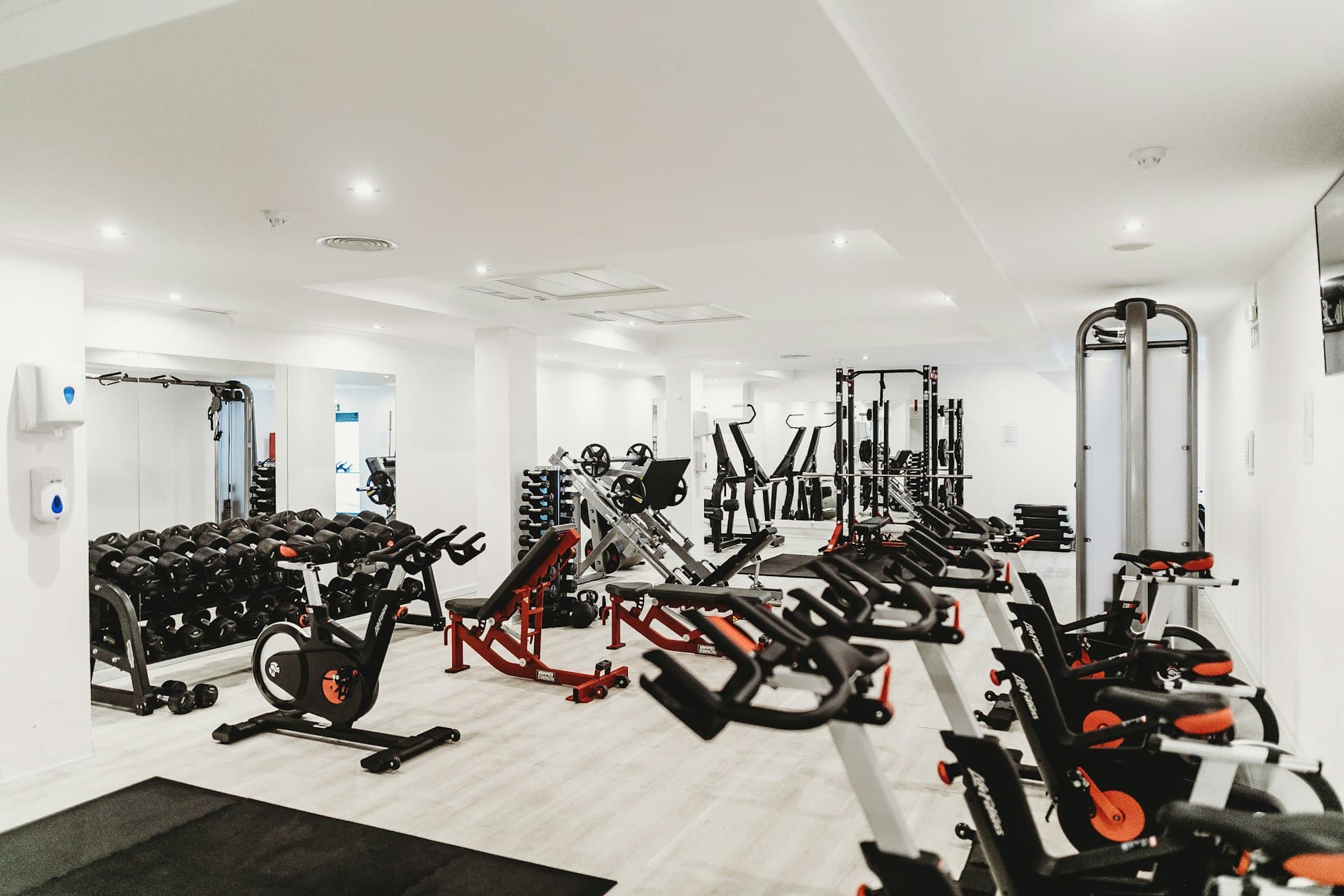
Movement is medicine, and exercise is the closest thing we have to a universal longevity drug.
Resistance Training Reduces Mortality
Regular resistance training is linked with lower all-cause mortality and better long-term health outcomes.
Read MoreCombine Strength + Cardio for Multiplicative Impact
Combining aerobic and resistance exercise provides greater health benefits than either one alone.
Read MoreVO₂ Max is a Powerful Predictor of Lifespan
VO₂ max is one of the strongest predictors of survival, with higher cardiorespiratory fitness linked to dramatically lower mortality risk.
Read MoreDaily Movement Reduces Mortality Risk
Even modest daily movement lowers mortality risk compared with sedentary lifestyles.
Read MoreBalance and Mobility Predict Survival
Because falls and mobility decline are major causes of disability and mortality in aging.
Read MoreStrength-to-Weight Ratio Matters
Your strength relative to body weight is a strong predictor of mortality and functional independence.
Read MoreHigh-Intensity Interval Training (HIIT) Extends Healthspan
HIIT provides greater improvements in fitness, insulin sensitivity, and mitochondrial function than steady-state cardio alone.
Read MoreWalking Lowers Mortality Risk
Walking, even at modest intensity, significantly reduces mortality risk.
Read More10,000 Steps a Day? The Real Number
Not necessarily. Benefits begin at lower step counts, though more movement is generally better.
Read MoreFlexibility & Stretching Support Longevity
Maintaining flexibility helps preserve mobility, prevent injury, and support functional independence.
Read MoreRecovery is as Important as Training
Proper recovery allows adaptation to occur, prevents overtraining, and reduces injury risk.
Read MoreExercise Intensity Matters
Both moderate and vigorous exercise intensities improve survival, but vigorous activity provides added cardiovascular and metabolic benefits.
Read MoreEndurance Training Extends Lifespan
Endurance exercise is consistently linked with longer lifespan and improved cardiovascular capacity.
Read MoreStrength Benchmarks Predict Longevity
Meeting basic strength standards — like grip strength and lower-body power — correlates with lower mortality.
Read MoreRecreational Sports Promote Longevity
Sports like tennis, soccer, or swimming are linked to longer lifespan — often more so than gym workouts alone.
Read MoreTraining Consistency Beats Intensity
Regular, sustained exercise over years provides more longevity benefit than sporadic intense bursts.
Read MoreMuscular Power Matters for Aging
Muscular power — the ability to generate force quickly — is a strong predictor of functional independence and longevity.
Read MoreStrength Training Supports Bone Density
Weight-bearing and resistance exercises improve bone density and lower fracture risk.
Read MoreFunctional Movement Preserves Independence
Because it strengthens real-world movement patterns that sustain independence.
Read MoreGood Posture Protects Health
Poor posture is linked to increased risk of falls, pain, and cardiopulmonary decline.
Read MoreBalance Training Prevents Falls
Balance exercises lower fall risk — a leading cause of disability and mortality in aging.
Read MoreChapter 5
Energy Balance & Metabolic Health
Your metabolism is the engine of your longevity. Maintaining metabolic balance improves insulin sensitivity and reduces inflammation.
Metabolic Health Prevents Diabetes
Improving insulin sensitivity and reducing visceral fat can prevent, and in many cases reverse, type 2 diabetes.
Read MoreVisceral Fat & Chronic Disease Risk
Because it's metabolically active, driving inflammation, insulin resistance, and disease.
Read MoreGLP-1 Medications & Longevity
They improve healthspan by addressing obesity and metabolic disease, but their longevity role is still emerging.
Read MoreBlood Sugar Spikes Damage Long-Term Health
Frequent glucose spikes accelerate vascular damage, oxidative stress, and aging.
Read MoreMitochondrial Function & Disease Prevention
They power your cells, and their decline accelerates aging and disease.
Read MoreIntermittent Fasting & Longevity
Intermittent fasting improves metabolic health, lowers inflammation, and activates cellular repair processes.
Read MoreTime-Restricted Eating
Aligning eating windows with circadian rhythms improves metabolic and cardiovascular health.
Read MoreCaloric Restriction & Healthspan
Caloric restriction without malnutrition is one of the most studied interventions for lifespan extension.
Read MoreMethionine Restriction
Unclear yet. Restricting the amino acid methionine has been shown to extend lifespan in animal studies.
Read MoreMetabolic Syndrome Accelerates Aging
It's a cluster of risk factors that dramatically increases disease and mortality.
Read MoreChapter 6
Stress, Psychological Health & Social Bonds
Chronic stress and loneliness accelerate aging, while optimism, resilience, and strong relationships predict survival.
Stress Management Extends Healthspan
Chronic stress elevates cortisol, shortens telomeres, and accelerates cellular aging. Meditation and mindfulness measurably reduce these effects and boost immune function.
Read MorePsychological Resilience Predicts Longevity
Resilient people maintain stronger immune function, cardiovascular health, and cognitive performance under stress — translating directly to lower mortality risk.
Read MorePurpose in Life Lowers Mortality
In Japan, centenarians credit ikigai — a reason for being — as central to their longevity. Studies across cultures confirm that purpose predicts lower mortality.
Read MoreOptimism is Linked with Longevity
Large cohort studies show optimists live 10–15% longer than pessimists. Optimism lowers cortisol, reduces stress reactivity, and promotes healthier behaviors.
Read MoreStrong Relationships Improve Survival
Social isolation increases mortality risk as much as smoking 15 cigarettes a day. Loneliness drives inflammation and accelerates biological aging.
Read MoreCommunity Engagement Promotes Longevity
Volunteering, clubs, and cultural activities provide purpose, cognitive stimulation, and social bonds — all independently linked to lower mortality.
Read MoreMindfulness Meditation Reduces Biological Age
Mindfulness meditation reduces stress hormones, improves immune regulation, and is linked with slower biological aging.
Read MoreVolunteering Extends Life
Older adults who volunteer regularly have lower rates of depression and significantly reduced mortality — driven by purpose, social connection, and staying active.
Read MoreGratitude Practices Improve Mental Health
Practicing gratitude reduces stress, improves mood, and strengthens relationships — all linked with longer lifespan.
Read MoreLaughter Lowers Stress Hormones
Laughter reduces stress hormones, improves vascular function, and strengthens social bonds that promote survival.
Read MorePurposeful Relaxation Improves Longevity
Deliberate relaxation techniques lower stress, improve cardiovascular function, and extend healthspan.
Read MoreSocial Support Buffers Stress
Social support lowers cortisol, boosts immune response, and improves cardiovascular health. Socially connected people recover faster from illness and live longer.
Read MoreChapter 7
Sleep Health
Sleep is not passive rest — it's an active, essential process that restores and protects every major system in the body.
Sleep Duration & Longevity
Both too little and too much sleep are linked with higher mortality, while 7–9 hours supports optimal longevity.
Read MoreNaps Can Support Longevity in Moderation
Short naps (20–30 minutes) may improve alertness and resilience, but long or frequent napping is associated with higher mortality risk.
Read MoreSleep Quality Matters More Than Quantity
Fragmented sleep disrupts restorative stages even if you sleep 8 hours. Poor sleep quality is independently linked to hypertension, obesity, and insulin resistance.
Read MoreBlue Light at Night Disrupts Sleep
Evening exposure to blue light suppresses melatonin, delays sleep, and contributes to metabolic dysfunction.
Read MoreCircadian Rhythm Alignment Improves Longevity
Aligning sleep and activity with natural circadian rhythms improves metabolic health and longevity.
Read MoreConsistent Sleep Schedule Supports Longevity
Maintaining a consistent sleep schedule improves circadian alignment, metabolic health, and longevity.
Read MoreDeep Sleep Supports Brain Health
Deep (slow-wave) sleep clears toxins from the brain and protects against dementia and cognitive decline.
Read MoreRestful Sleep Strengthens Immunity
Sleep enhances immune memory, supports vaccine response, and reduces infection risk.
Read MoreSleep and Mental Health Are Intertwined
Poor sleep increases risk of depression, anxiety, and dementia, while healthy sleep protects mental resilience and lifespan.
Read MoreSleep Apnea Treatment Improves Survival
Treating sleep apnea lowers cardiovascular risk and reduces mortality.
Read MoreSleep Hygiene Improves Healthspan
Sleep hygiene refers to behaviors and environment that promote restorative sleep — optimizing these factors improves healthspan and reduces disease risk.
Read MoreChapter 8
Lifestyle & Longevity Activities
Beyond nutrition and exercise, everyday habits and practices contribute meaningfully to how long and how well you live.
Active Hobbies Keep You Young
Engaging in active, meaningful hobbies improves physical activity, cognitive stimulation, and well-being.
Read MoreSpirituality & Meaning Enhance Longevity
Spirituality and meaning are associated with lower mortality and improved well-being.
Read MoreCold Exposure Builds Resilience
Cold triggers hormesis — activating brown fat, boosting norepinephrine, and improving insulin sensitivity. Regular cold showers enhance mitochondrial function and stress tolerance.
Read MoreCreativity Enhances Well-Being
Creative engagement supports brain health, reduces stress, and promotes psychological resilience.
Read MoreDance Improves Brain and Body
Dance combines physical activity with cognitive challenge and social interaction — all of which improve healthspan.
Read MoreHeat Therapy Supports Heart Health
Finnish studies show frequent sauna use reduces cardiovascular and all-cause mortality. Heat triggers heat shock proteins that repair cells and boost brain blood flow.
Read MoreLifelong Learning Protects the Brain
Lifelong learning strengthens cognitive reserve, reduces dementia risk, and promotes longer, healthier lives.
Read MoreMartial Arts Build Strength and Focus
Martial arts improve strength, mobility, balance, and mental focus — all of which support healthy aging.
Read MoreOutdoor Activity Enhances Longevity
Regular outdoor activity lowers stress, improves fitness, and is associated with longer lifespan.
Read MorePets Improve Health and Longevity
Pet ownership improves cardiovascular health, reduces stress, and strengthens social connection.
Read MoreTravel Broadens Perspective and Promotes Well-Being
Travel enhances mental health, reduces stress, and increases physical activity — all of which improve survival.
Read MoreYoga Improves Flexibility and Stress Resilience
Yoga combines physical postures, breathwork, and mindfulness, which together improve mobility, reduce stress, and enhance overall health.
Read MoreChapter 9
Environmental Toxins & Exposure
Environmental exposures silently contribute to chronic disease. Awareness and reduction of harmful toxins protects long-term health.
Air Pollution Shortens Lifespan
Chronic air pollution exposure increases cardiovascular disease, lung cancer, and all-cause mortality.
Read MoreHeavy Metals Threaten Longevity
Chronic exposure to lead, mercury, and cadmium increases risk of cardiovascular disease, cancer, and early death.
Read MoreMinimize Pesticide Exposure
Chronic pesticide exposure increases cancer risk, neurological disease, and all-cause mortality.
Read MoreEnvironmental Noise Affects Longevity
Chronic noise exposure raises stress, disrupts sleep, and increases cardiovascular mortality.
Read MoreLimit Exposure to Mold & Mycotoxins
Chronic exposure to mold and mycotoxins damages respiratory, immune, and neurological health.
Read MoreClean Water Protects Health
Access to clean, contaminant-free water is essential for reducing disease burden and supporting longevity.
Read MoreLimit Endocrine-Disrupting Chemicals
Chemicals like BPA, phthalates, and PFAS interfere with hormones and increase disease risk.
Read MoreRadiation Exposure and Longevity
Chronic or high-dose radiation exposure increases cancer risk and accelerates aging.
Read MoreSafe Sun Exposure Promotes Longevity
Moderate sun exposure improves vitamin D and cardiovascular health, but excess exposure raises cancer risk.
Read MoreSmoking Greatly Reduces Lifespan
Smoking remains one of the leading preventable causes of death worldwide, reducing lifespan by an average of 10 years.
Read MoreChapter 10
Lessons from Centenarians
Centenarians offer a living blueprint for longevity — patterns of diet, movement, purpose, and connection that predict survival past 100.
Centenarians Eat Mostly Plants
In Okinawa, Sardinia, and Loma Linda, centenarians get most calories from vegetables, beans, whole grains, and nuts — with meat as an occasional side dish, not a staple.
Read MoreCentenarians Manage Stress Well
While stress is unavoidable, centenarians use healthy coping mechanisms to manage it effectively.
Read MoreCentenarians Celebrate Life
Centenarians embrace joy, laughter, and celebration as integral parts of life — practices linked to stronger resilience and longevity.
Read MoreCentenarians Drink Tea or Coffee Daily
Coffee and tea are rich in polyphenols that reduce oxidative stress. Coffee lowers diabetes and neurodegeneration risk; green tea supports vascular health and metabolism.
Read MoreCentenarians Eat Moderately, Avoid Excess
Centenarians eat smaller, nutrient-dense meals with little processed food. This lowers metabolic burden, supports gut health, and protects against diabetes and heart disease.
Read MoreCentenarians Eat Until 80% Full
Many centenarians follow cultural practices that limit overeating — like Okinawa's hara hachi bu — stopping at about 80% full.
Read MoreCentenarians Live With Purpose
A unifying theme in longevity research is that centenarians live with strong purpose, often tied to family, community, or spirituality.
Read MoreCentenarians Maintain Strong Social Networks
Centenarians maintain active friendships through community and daily social contact. Loneliness raises mortality risk as much as smoking and accelerates cognitive decline.
Read MoreCentenarians Prioritize Family
Centenarians often live in multi-generational households and prioritize strong family bonds, which provide emotional support and reduce mortality risk.
Read MoreCentenarians Stay Physically Active Daily
Most centenarians stay active through daily, low-intensity movement like walking, gardening, or chores — not structured workouts.
Read MoreDisclaimer: The information provided on this page is for educational and informational purposes only and is not intended as medical advice. This content should not replace professional medical consultation, diagnosis, or treatment. Always seek the guidance of your physician or other qualified healthcare provider before making any changes to your health, lifestyle, or treatment plan.